
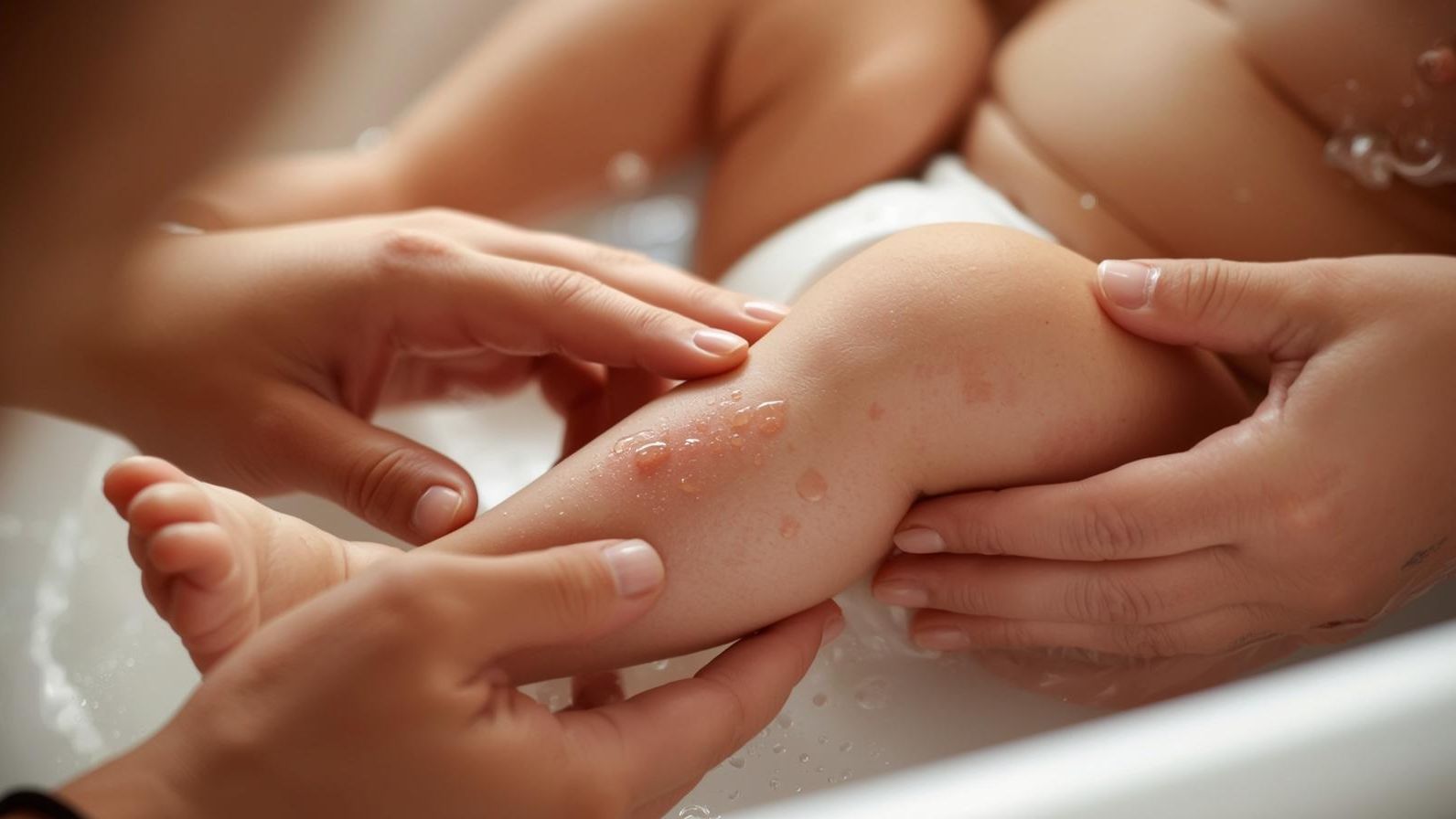
You discover a polka-dot situation at bath time and your heart does a small cartwheel. Is it heat? Milk? Aliens? You open your camera roll to document the spots like a junior detective. Let’s step back, breathe, and sort it out.
Promise
In 6 minutes, learn a calm triage, diaper-rash basics, and red flags that need medical advice.
Quick Takeaways
-
Many newborn skin changes are common and harmless.
-
Diaper-rash care that protects delicate skin.
-
Clear see-a-clinician signs.
What We Now Know (evidence)
CPS notes most newborn skin changes are common and don’t need treatment. For diaper rash, use unscented barrier ointment (e.g., zinc oxide/petroleum jelly), keep the area clean/dry, and reapply as needed. Caring for Kids+1
Try-This Toolkit
-
“Calm Triage” steps: note fever? blisters? child unwell? non-blanching rash? (seek care). If well, keep skin clean/dry, avoid fragranced wipes, use barrier cream. SickKids+1
-
Air time: brief diaper-free minutes help. AboutKidsHealth
-
When to call now: fever in infant <3 months; rash that doesn’t blanch when pressed; widespread rash with illness; rapidly worsening. SickKids
ND & Accessibility
-
Use a photo log with timestamps to track changes.
-
Prefer plain fabrics; avoid scratchy tags.
Real-Talk Q&A
“Barrier cream every change?” Generously with stools; with wet diapers, reapply as needed. Caring for Kids
“Powders?” Skip them; inhalation risk. (CPS/health authorities discourage use.) hi.easternhealth.ca
“Antifungal?” Only if a clinician suspects yeast.
Resource Box
-
CPS: Your Baby’s Skin — what’s common, what’s not. Caring for Kids
-
CPS: Diaper Rash — barrier care and cleaning. Caring for Kids
-
SickKids: When to seek care for rashes — practical red flags. SickKids
One CTA
Grab the Rash Triage Magnet (PDF) — simple “wait/watch/seek care” checklist for your fridge.