When Your Child Receives a Learning Disability Diagnosis: A Guide for Parents Who Want to Support with Strength and Heart
Apr 30, 2026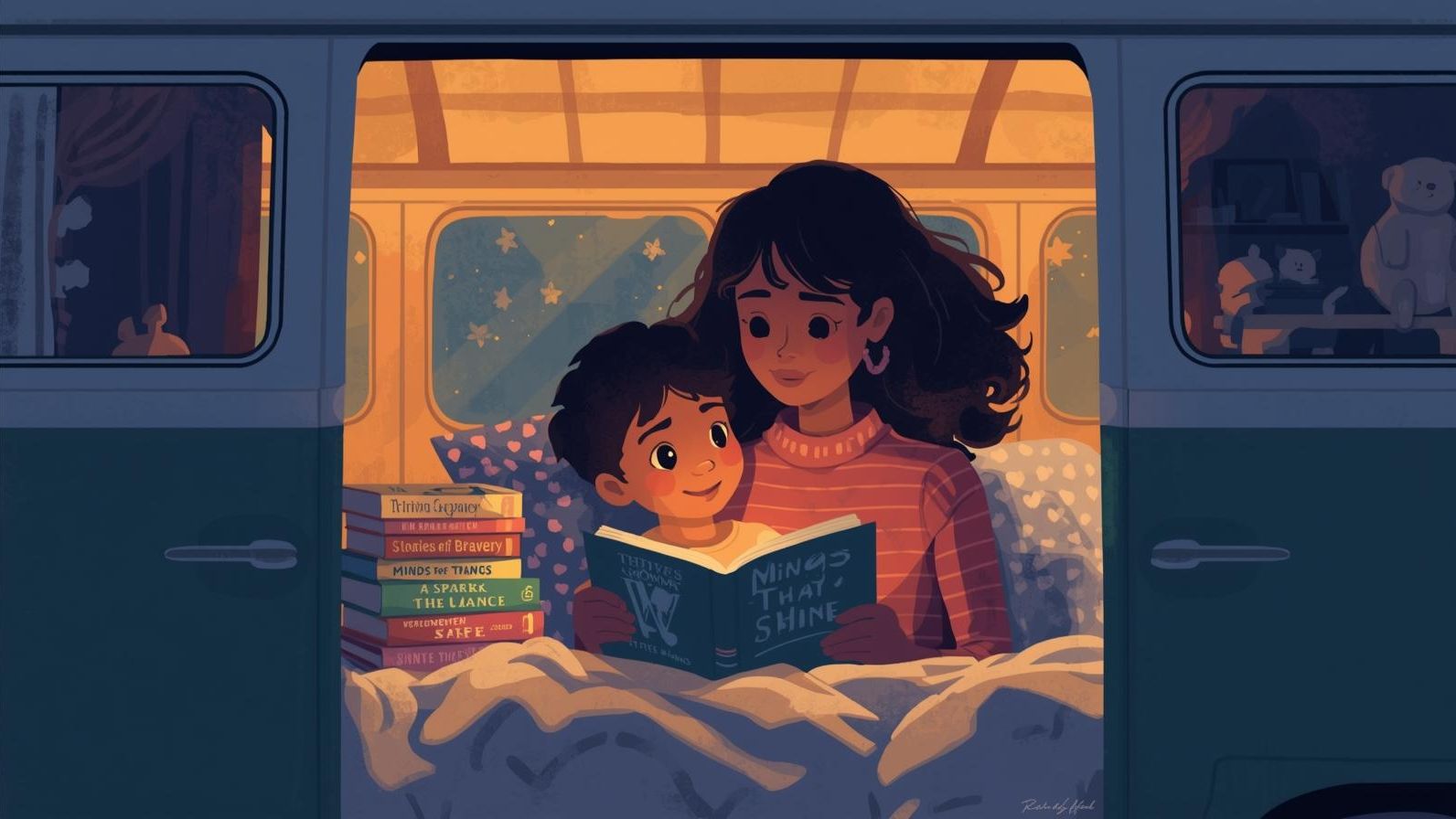
There is a moment many parents remember with absolute clarity. It is the moment a professional shares that their child has a learning disability. Even when the signs were there, even when your instincts whispered it for years, hearing it out loud can feel like a sudden shift in the floor beneath your feet.
Parents often describe a mixture of emotions. Relief, because there is finally an explanation. Gratitude, because a path forward is opening. And sometimes a quiet grief, especially if you were not prepared or fully informed about what this diagnosis might mean. That grief does not mean you doubt your child. It means you imagined their world one way and now must imagine it another. Both versions can lead to success, joy, and thriving, but the transition deserves compassion and care.
This is where your role becomes powerful. You are the one who steadies the ground again. You advocate, you learn, and you help your child understand that their brain is not broken. It is brilliant in a different way.
Children Thrive When They See Themselves in Stories
One of the simplest and most profound ways to support a child after a diagnosis is through books. Children need to see characters who think and learn the way they do. They need stories that say your mind is good, your creativity is real, and others have walked this path before you.
Books by Patricia Polacco, such as Thank You, Mr. Falker, are staples in homes and classrooms for this reason. Henry Winkler and Lin Oliver’s Hank Zipzer series shows a boy with dyslexia who is bright, resourceful, and funny. Dav Pilkey, the mind behind Dog Man and Captain Underpants, writes with heart, humour, and lived experience. His stories speak directly to kids who feel boxed in by the traditional system. The novel Fish in a Tree, by Lynda Mullaly Hunt, is another powerful choice that helps young readers see strength inside struggle.
These books do more than entertain. They normalize. They affirm. They show children that being neurodivergent does not diminish their potential. In fact, it often expands it.
Audiobooks as a Bedtime Ritual that Builds Confidence
There is something deeply special about bedtime reading, especially when children get to hear successful neurodivergent authors telling their own stories. Audiobooks give kids a voice to connect with and a warm memory to anchor themselves to. Night after night, they hear people like them succeeding, creating, imagining, inventing, and reshaping the world.
This becomes more than a routine. It becomes a confidence builder. It strengthens self esteem. It gives children a protective buffer when they step into schools that may unintentionally point out their struggles every day. Listening to audiobooks from authors who understand neurodivergent minds offers reassurance. It reminds them they are capable and worthy.
Show Your Child Real People Who Think Differently and Succeed Boldly
Children learn from examples that feel real and possible. Highlight people they can recognize. Richard Branson, who speaks openly about dyslexia. Whoopi Goldberg, who has shared her own experiences and credits supportive adults with helping her find her place. Scientists, entrepreneurs, actors, and innovators across industries who have ADHD, dyslexia, autism, or other learning differences. These are not exceptions. They are examples of how diverse minds fuel our emerging and future economy.
The world is shifting. Innovation requires flexible thinking, creativity, empathy, and the ability to see patterns others miss. These are strengths found across the neurodivergent community. Your child is entering a world that needs the way they think.
Supporting Your Child While Supporting Yourself
Receiving a diagnosis can stir emotions in parents too. Sometimes it brings up memories of your own school experiences. Sometimes it shines a light on challenges you quietly carried for years. Many adults discover their own learning differences through the process of supporting their children.
It is normal to experience grief, relief, pride, fear, hope, or all of them at once. None of it means you are doing anything wrong. What matters is steering forward with love and information. Advocacy grows from understanding. Strength grows from clarity. You and your child are not alone. There are communities, books, professionals, and parent groups who understand this journey deeply.
Sir Richard Branson, founder of Virgin and himself a proud dyslexic who was an early adopter of the superpower that his brain provides him, is backing a new project, known as Dyslexic University. They are adding more amazing courses all the time. Check it out: it is part of “The Open University” and it is called the University of Dyslexic Thinking. https://www.virgin.com/branson-family/richard-branson-blog/launching-dyslexicu-the-worlds-first-university-of-dyslexic-thinking
Give Your Child the Message That Matters Most
Every child who learns differently needs to hear one thing again and again. There is nothing wrong with your brain. You are smart. You are capable. You are worthy. You belong.
When parents say this and back it up through books, audiobooks, stories, representation, supports, and advocacy, a child begins to build resilience. They begin to trust that they can navigate a school system not designed for them. They begin to imagine future versions of themselves that are strong and successful.
Your child’s diagnosis is not an ending. It is a beginning. A beginning of understanding, of support, of community, and of clarity. With you as their guide, they will discover the strengths that have always been there. And you will watch them grow into the confident, capable person they were meant to become