A conversation about politics, friendship, history, and why the butterfly always finds its way back to the sun
The Conversation
Just the other day, I had a conversation with a friend about the turbulent political times we are going through. I am Canadian. She is American. We have a relationship and long, deep conversations that would be akin to talking to your favourite aunt.
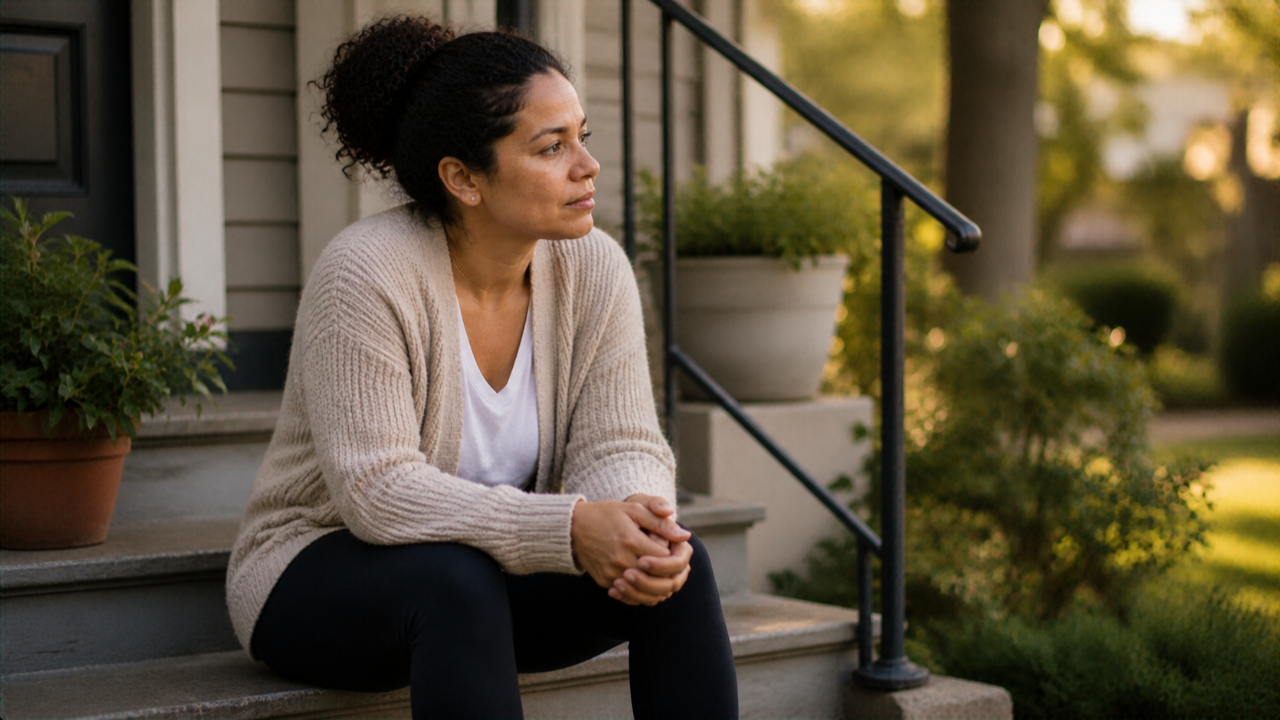
I listened as she spoke about attending protests, getting petitions signed, and the upheaval that was directly affecting the people she knows. With a daughter who has had a lifelong battle with mental health. Sons who are of Asian descent and face a world that is not always kind. Relatives who are ageing and sick and need healthcare. Grandchildren whose special needs may not be addressed in education. She has real concerns about how public policy may, is, or will influence the people she loves.
I urged her to keep a balance — not to lose herself and her own mental health to the current situation — and to believe that the Universe has a bigger and better plan for us than we have for ourselves.
Her counter was simple and devastating: "Don't we owe it to our kids and families to do what we can?"
And there it was. The fundamental tension that so many of us are living inside right now: the need to protect our own well-being versus the responsibility to act on behalf of the people we love.
"Unprecedented Times" Have Happened Before
We are living in what everyone calls "unprecedented times." But here is something that gives me hope: the term has been used before. Many times.
According to Merriam-Webster, the phrase was first used around 1795. Its first peak occurred in 1814-1815, coinciding with the end of the Napoleonic Wars and the War of 1812. It peaked again in 1918-1919, with the Spanish flu pandemic, the end of World War I, and just prior to the Roaring Twenties and major developments in women's suffrage. It surged again in 1945, marking the end of World War II and the founding of the United Nations. And it appeared again most recently with the combined effects of COVID-19 and global political upheaval.
Here is the pattern: over and over, the term has coincided with some decidedly challenging times in our history. And over and over, those peaks have also reflected new beginnings — of prosperity, growth, and innovation.
After the Napoleonic Wars came the Era of Good Feelings. After World War I came the Roaring Twenties and women getting the vote. After World War II came the longest period of peace and economic growth the Western world had ever known. After every "unprecedented" darkness, light returned — not immediately, not painlessly, but inevitably.
This is not naive optimism. This is history. And history, for all its horrors, has a persistent habit of bending toward something better.
The Balance Between Hope and Action
My friend's question haunts me because she is right. We do owe it to our kids and families to do what we can. Sitting on the sidelines and hoping for the best is a luxury that many families cannot afford — not when public policy directly affects their health, their safety, their children's education, and their fundamental rights.
But here is the other side: you cannot pour from an empty cup. And the news cycle is specifically designed to empty your cup as fast as possible.
There is a growing body of research on "doomscrolling" — the compulsive consumption of negative news — and its effects on mental health. A 2022 study from the Texas Tech University found that excessive news consumption is associated with increased anxiety, depression, and stress. Not because being informed is bad, but because being constantly immersed in crisis without actionable steps leads to helplessness.
So how do we balance staying informed and engaged with protecting our mental health? How do we teach our children to care about the world without being consumed by its darkness?
Set boundaries with news consumption. Choose two or three trusted sources. Check them once or twice a day. Then close the apps. The news will still be there tomorrow, and you will be in better shape to process it.
Take meaningful action. Instead of scrolling through outrage, choose one thing you can do. Volunteer. Donate. Write a letter. Attend a meeting. Vote. Meaningful action reduces helplessness and replaces it with agency.
Talk to your children honestly and with hope. They are watching you. If you are consumed by anxiety about the state of the world, they will absorb that anxiety. If you model informed, balanced, hopeful engagement, they will learn that caring about the world does not have to destroy your peace.
Protect your relationships across political lines. My American friend and I do not agree on everything. But we agree on the things that matter: we love our families, we want the world to be better, and we believe in each other's fundamental goodness. Relationships like these are the bridge between division and understanding. Guard them fiercely.
Believe
I offer my humble bottom line, and I invite you to challenge it.
Time takes care of all things. World wars, conflict around the globe, change that we are not ready for, threats to our way of life — time has carried humanity through all of it. Not without scars. Not without loss. But through.
Know that you do what you can. Show up for your community. Advocate for your children. Use your voice. But do not get lost in the down times. Do not let the darkness convince you that it is permanent. It never has been.
Believe that the Universe — however you define it, whatever name you give it — has greater things in store for us than we have for ourselves.
This is not passivity. It is resilience. It is the recognition that the women who came before us survived things we cannot imagine, and they did it by holding onto each other and holding onto hope. We are their daughters, their granddaughters, their great-granddaughters. Their strength is in our bones.
And if one butterfly's wings can start a tornado, then surely a community of women — supporting each other, learning from each other, lifting each other up — can change the weather of the entire world.
Believe.
Dig Deeper: The Research Behind the Real Talk
McLaughlin, B. et al. (2022). "Doom Scrolling and Problematic News Consumption." Health Communication, Texas Tech University. — Research on the mental health effects of excessive news consumption.
Merriam-Webster's Word Usage Trend Data — Historical usage patterns for "unprecedented."
American Psychological Association (2020). "Stress in America: Coping with Change." — Survey on political stress and coping strategies.
CMHA (cmha.ca) — Resources on maintaining mental health during difficult times.
Civix.ca — Canadian resources for civic engagement and teaching children about democracy.
Let's Chat
This is a conversation we all need to have — with grace and with respect for all perspectives:
How do you balance staying informed with protecting your mental health? How do you talk to your children about what is happening in the world? Have you maintained friendships across political divides? How? What gives you hope when the world feels heavy? What does "unprecedented times" feel like in your home?
Share below. Every perspective adds to our collective understanding, and this is a conversation that benefits from many voices.
With love and unshakable hope,Elizabeth
Disclaimer: This blog is for general information and coaching purposes only. It is not political commentary, therapy, or medical advice. All political perspectives are welcome in this space, and we ask that all community members engage with respect and kindness.
🌼 Want the Unprecedented Times Hope Toolkit?
Grab your free copy — it is yours to keep, print, and come back to whenever you need it.
[ Get the Free Toolkit ]