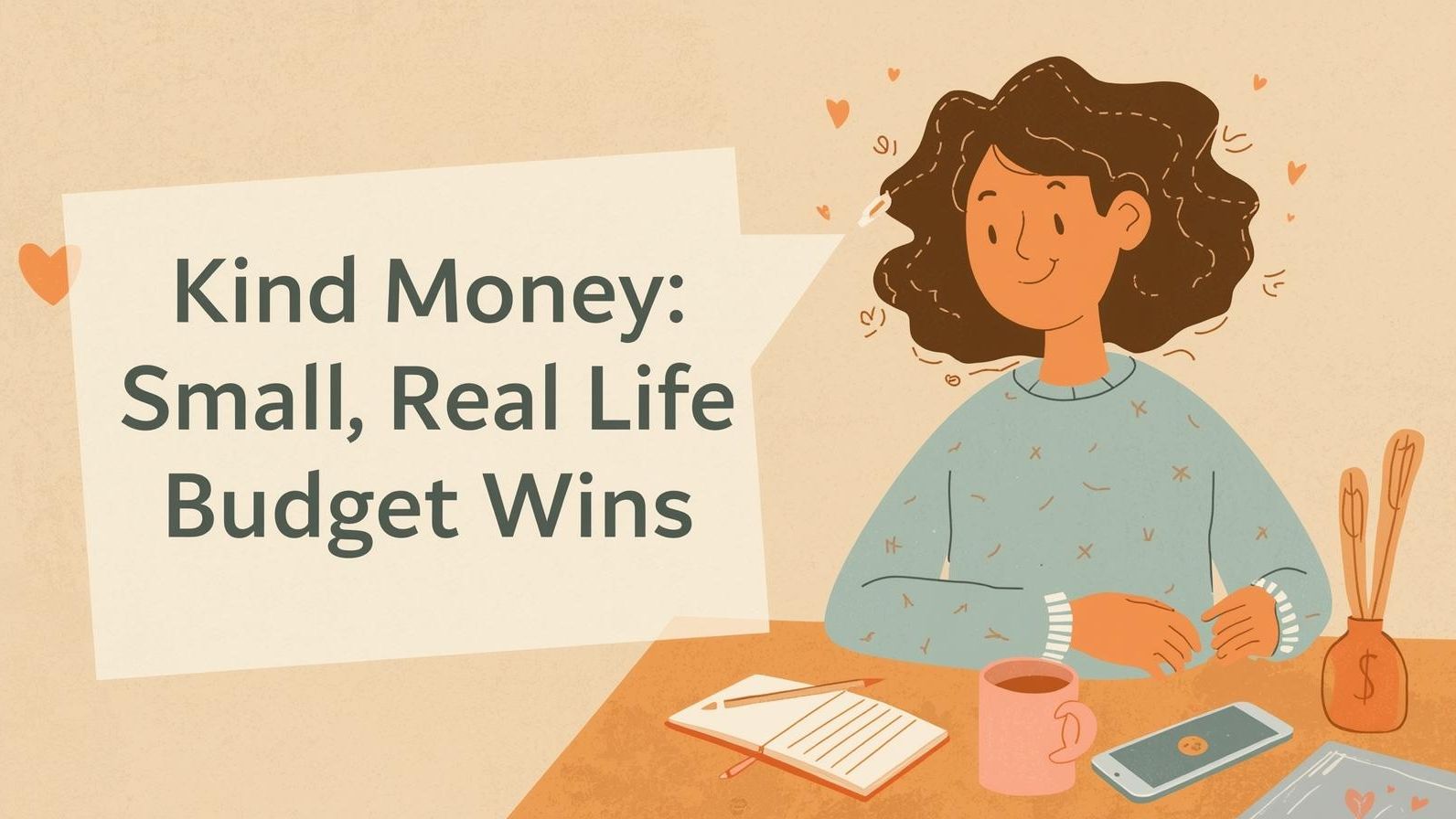
Let’s be honest: “Just stop buying lattes” is not financial advice. It’s an attack on the only joy some of us have left.
In our survey, fewer moms mentioned finance directly—but when they did, it sounded heavy:
- “Everything is getting more expensive.”
- “I want to save for my kids’ future but I’m barely keeping up.”
- “I feel guilty asking for help or saying we can’t afford something.”
Money stress is not just about numbers; it’s emotional. It’s tied to safety, guilt, culture, and sometimes shame. So let’s talk about it gently.
Money, Without Shame
Families in our community are:
- Single moms doing it on one income
- Blended families figuring out child support and shared expenses
- Immigrant families sending money back home
- Parents of kids with disabilities or chronic conditions paying for extra supports
- Queer couples navigating workplaces and systems that weren’t designed for them
“Just budget better” ignores all of that.
Instead, we’ll look at small, kind wins that respect your reality.
Step 1: Name the Season You’re In
You’re allowed to say:
- “We are in survival season.” (Rent, food, meds, gas. That’s it.)
- “We’re in slow rebuild season.” (Debts, catching up on bills.)
- “We’re in small growth season.” (Can tuck away a bit for the future.)
Your season will change.
The goal is not to be perfect; it’s to be honest, so you can make decisions that match your real life.
Step 2: The “No Guilt Essentials” List
Sit down (alone or with a partner) and make three short lists:
- Non-negotiables
- Housing, food, basic utilities, medications, transportation, basic school needs.
- Values-based extras
- One or two things that matter deeply: therapy, tutoring, an activity that keeps your kid regulated, a family bus pass, or Friday night takeout.
- Could-wait items
- Subscriptions you forgot about, activities no one actually enjoys anymore, or “we did this because everyone else did.”
You’re not a bad parent if you move some things to “could wait.”
You’re a resource manager for a real family, not Santa.
Step 3: One Tiny Budget Win You Can Do This Month
Pick one:
- Grocery swap: Choose 2–3 regular items to buy no-name or on sale. Don’t overhaul everything—just a few swaps.
- Auto-pay check: Spend 20 minutes cancelling one subscription or service you rarely use.
- “Library first” rule: Before buying a book, game, or movie, check your public library or local lending library.
- Kid-involved planning: For older kids or teens, say: “We have $X for fun this month. Let’s pick together how we spend it.”
Research on financial stress shows that even small changes can lower anxiety when they’re intentional and not rooted in shame.
Step 4: Talk About Money With Kindness, Not Panic
In many cultures and families, money talk was either:
- Forbidden
- Full of conflict
- Or used to scare kids into obedience
You get to do it differently.
Try phrases like:
- “Right now, our priority is keeping the home running and people fed. That means we’re saying no to X this month and yes to Y.”
- “We can’t buy that today, but let’s write it on a ‘wish list’ and revisit later.”
- “Money is tight right now. That doesn’t mean you’re a burden. It just means the adults have extra math to do.”
You are not failing if you can’t give your kids everything they ask for.
You are teaching them about reality, resilience, and choices.
You Deserve Support, Too
If money is bringing up big emotions—fear, shame, panic—you’re not alone.
Consider:
- Free or low-cost credit counselling in your province or state
- Community organizations or settlement services if you’re a newcomer
- Talking with a partner or trusted friend with the script:
“I don’t need you to fix it. I just don’t want to feel alone with it.”
Small, kind money decisions add up.
You’re allowed to build a life that honours both math and mental health.