Somewhere along the way, sports gambling stopped being “a once-in-a-while bet with your buddies” and became a tiny casino in everyone’s pocket—open 24/7, loaded with push notifications, and wrapped in the language of confidence: “Same-game parlay.” “Boosts.” “Risk-free.”
And yep—young men are getting hit hard. Not because they’re “bad,” but because the system is built to hook exactly what many 15–25-year-olds are wired for: speed, status, excitement, and the feeling that skill beats luck.
Canadian research is waving a big flag here: a recent CCSA report found about 1 in 3 young adults (18–29) gambled online in the past year, and 16.2% of those young online gamblers met criteria for moderate-to-severe problem gambling. CCSA
Why this is happening now (the perfect storm)
A few big changes collided:
-
Legal and market expansion. Canada legalized single-event sports betting in 2021. Canada+1
-
Advertising everywhere. CCSA describes major policy shifts that increased gambling availability and advertising. CCSA
-
Sports broadcast + social feed saturation. Research analyzing Ontario NHL/NBA broadcasts and social posts found thousands of gambling references and shows that many “content marketing” ads weren’t clearly labeled as ads—meaning people (including youth) may not recognize they’re being marketed to. Greo+1
-
High-risk formats pushed hardest. CCSA notes that single-event and live/in-play betting are linked with greater risk of harm. CCSA
This is not “kids being dumb.” This is modern product design.
The Brain Part (in plain language)
The 15–25 brain is still under construction—in a very specific way
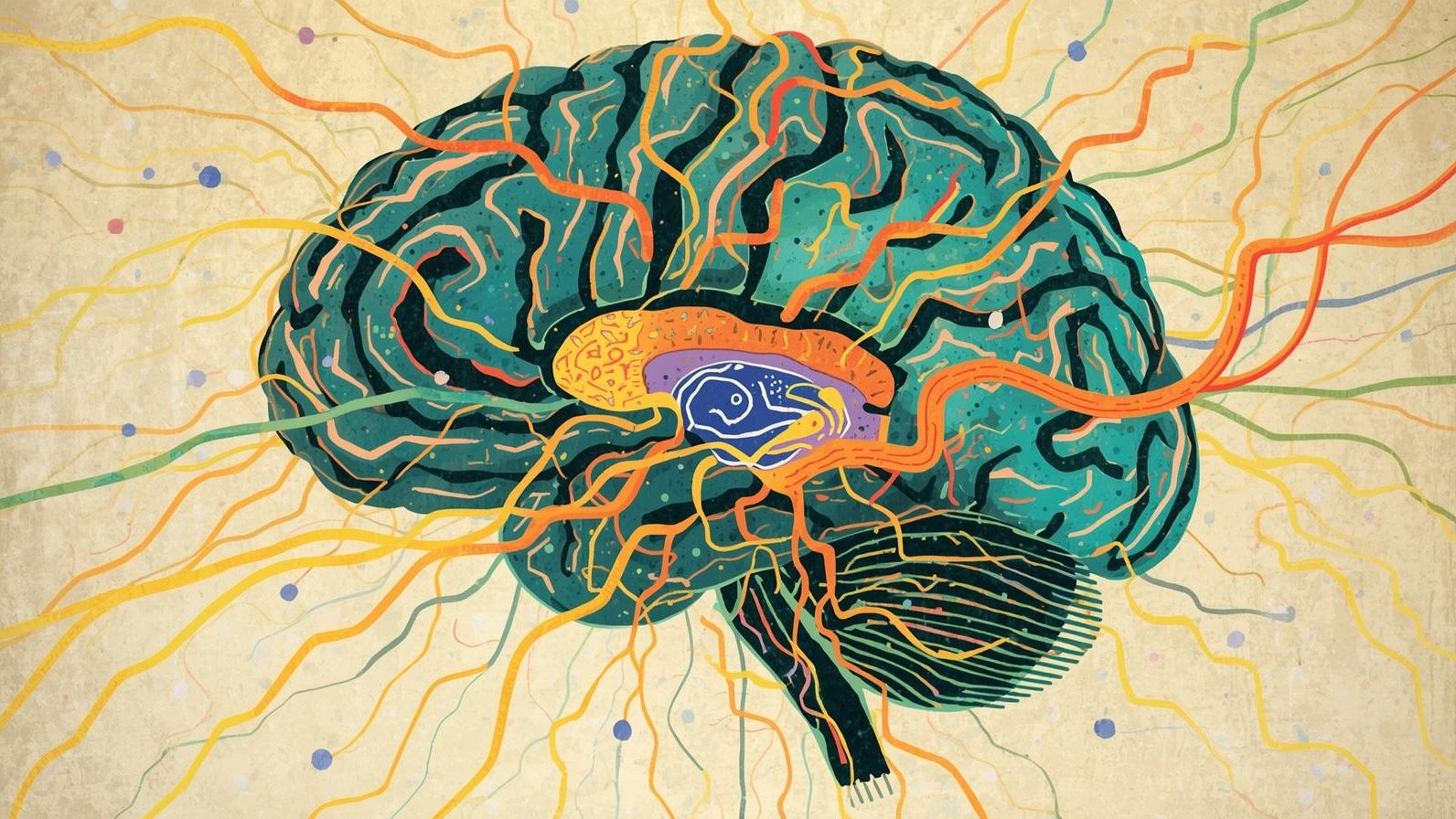
The part of the brain that helps with planning, impulse control, and weighing long-term consequences (the prefrontal cortex) finishes maturing in the mid-to-late 20s. National Institute of Mental Health+1
At the same time, the brain’s reward systems are extra sensitive to novelty, dopamine hits, and social rewards during adolescence and emerging adulthood. APA+1
Gambling is built on “reward learning”
Gambling disorder is recognized alongside substance-related addictions in DSM frameworks because it overlaps in brain pathways, urges, and relapse patterns. American Psychiatric Association+1
Neuroscience research also links gambling problems with changes in reward and control circuits in the brain. PMC+1
And in-play betting? It’s especially risky because it’s fast, repeated, and emotionally charged—more like scrolling than “placing a bet.” Research has linked in-play sports betting with higher problem-gambling severity. PMC+1
Why young men (often) get hooked: the “confidence trap”
Let’s say the quiet part out loud (with love):
-
Sports knowledge feels like control (“I know this game; I can beat the odds.”)
-
Winning feels like status (especially when shared in group chats)
-
Losses trigger the “I’ll fix this” reflex (chasing)
-
Ego hates admitting “I got played”
This is very human. And it’s why lectures bounce off.
What Parents Can Do That Actually Lands (Without Starting World War III)
1) Don’t start with “You’re addicted.”
Start with curiosity + respect. Your goal is to protect the relationship so you can influence things.
Try:
-
“Hey—can I ask you something real quick about betting? No lecture. I just want to understand.”
-
“What do you like about it—thrill, money, or the competition part?”
That approach is aligned with motivational interviewing (MI), which works by strengthening a person’s own reasons for change instead of trying to force it. Evidence shows MI can help with a range of behavior changes, including gambling-related outcomes. PMC+1
2) Aim at the system, not their character
This reduces defensiveness and protects their pride (which, yes, matters).
Try:
-
“These apps are designed by psychologists and data teams. Nobody is ‘weak’ for feeling pulled in.”
-
“If the product is free, you’re the product.”
CCSA specifically warns about normalization and increased exposure. CCSA+1
3) Use a “coach voice,” not a “cop voice”
Young men often respond better to challenge + competence than shame.
Try:
-
“I’m not here to control you. I’m here to help you stay in control.”
-
“If you want to keep doing it, let’s at least build safety rails like a responsible athlete would.”
4) Talk money like a scoreboard (simple, concrete, no moralizing)
Instead of: “You’re wasting money,” try:
-
“Can we look at the last 30 days like a stat line—wins, losses, net? Just data.”
-
“If the number bugs you, we don’t have to talk about it today. But I’d rather know than guess.”
5) Add friction (because willpower is not a plan)
Practical guardrails that don’t require perfect self-control:
-
Remove gambling apps from the phone
-
Disable gambling-related notifications
-
Use deposit/time limits or self-exclusion options where available (many platforms offer these)
-
Separate spending money from essential money (different accounts)
If you’re in Canada, this page lists provincial helplines (including Nova Scotia’s mental health and addictions crisis line). Responsible Gambling Council
6) Watch for “risk signals” that mean you should take it seriously
Common red flags:
-
Chasing losses
-
Lying or hiding activity
-
Mood swings tied to bets
-
Borrowing/selling things
-
Skipping school/work
-
Panic, shame spirals, or comments about hopelessness
CAMH notes gambling problems exist on a continuum and can grow over time. CAMH+1
How 15–25-Year-Olds Learn Best (and how to build learning that resonates)
If we want something to “stick,” the learning experience has to match the brain stage:
What tends to work:
Autonomy + relevance + respect + practice.
Self-Determination Theory research shows that when people feel autonomy (choice), competence (I can do this), and relatedness (I belong), engagement goes up. Self Determination Theory+1
So build it like this:
A learning experience blueprint that actually hits
Here’s a parent-friendly “mini-program” you can do at home or build into a workshop.
Part 1 (10 minutes): Permission + their goals
-
“What do you want your money to do for you this year—car, travel, gym, freedom, moving out?”
-
“On a scale of 1–10, how confident are you you’re in control of betting?”
Part 2 (15 minutes): The “App Design Reality Check”
Show them (without shaming):
-
How ads are embedded in sports content Greo+1
-
Why in-play betting is higher risk (speed + repeat) PMC+1
Part 3 (15 minutes): Numbers as a mirror, not a weapon
-
Look at last 30–60 days net results.
-
Ask: “Did this support your goals, or steal from them?”
Part 4 (10 minutes): Choice-based guardrails
Offer 2–3 options (autonomy matters):
-
“Delete apps for 30 days and reassess”
-
“Keep it, but set strict limits + no in-play”
-
“Hand off money control temporarily while you reset”
Part 5 (ongoing): Replacement dopamine
This is huge. The brain hates a vacuum.
-
Competition: rec league sports, fantasy sports without money, skill-based gaming with time limits
-
Mastery: gym goals, trades, side hustle, music production
-
Belonging: real-life community (not just online)
Does the 12-Step Approach Help?
It can—especially for identity, community, and accountability.
What 12-step (like Gamblers Anonymous) can offer:
-
A peer group that “gets it”
-
A structure for honesty and repair
-
Tools for urges and relapse prevention (through sponsorship/support)
But the research base is mixed and not as strong as some structured therapies; reviews note there’s still limited high-quality evidence and outcomes vary by person. PMC+2cdspress.ca+2
A balanced, evidence-informed take:
Many clinical guidelines and reviews support approaches like CBT and motivational strategies for gambling problems, and peer support can be a helpful add-on. ScienceDirect+1
So: 12-step isn’t “the” answer, but it can be “a” powerful piece—especially for young men who need a team, not a lecture.
A parent closing line that keeps dignity intact
“I’m not mad at you. I’m mad at a system that’s trying to turn your attention and money into profit. And I believe you’re smart enough to take your power back. If you want help building a plan, I’m in your corner.”